Anatomy of a car:
Major systems of a vehicle:
- Body and chassis Engine
- system Transmission system
- Suspension, wheels, and tires
- system Control system
- Electrical system
Body and Chassis:
Body: It provides space for the driver, passenger, and cargo.
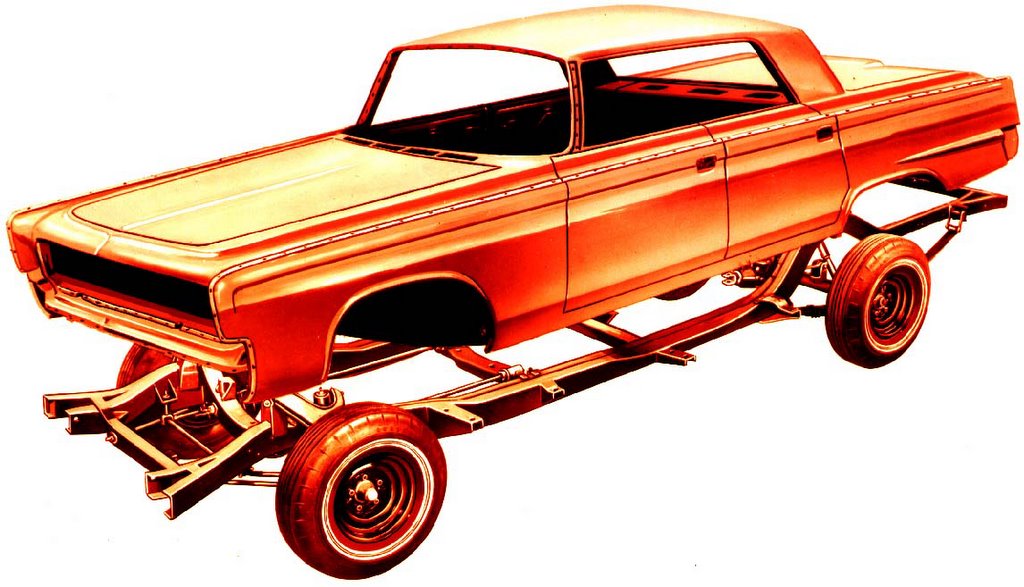
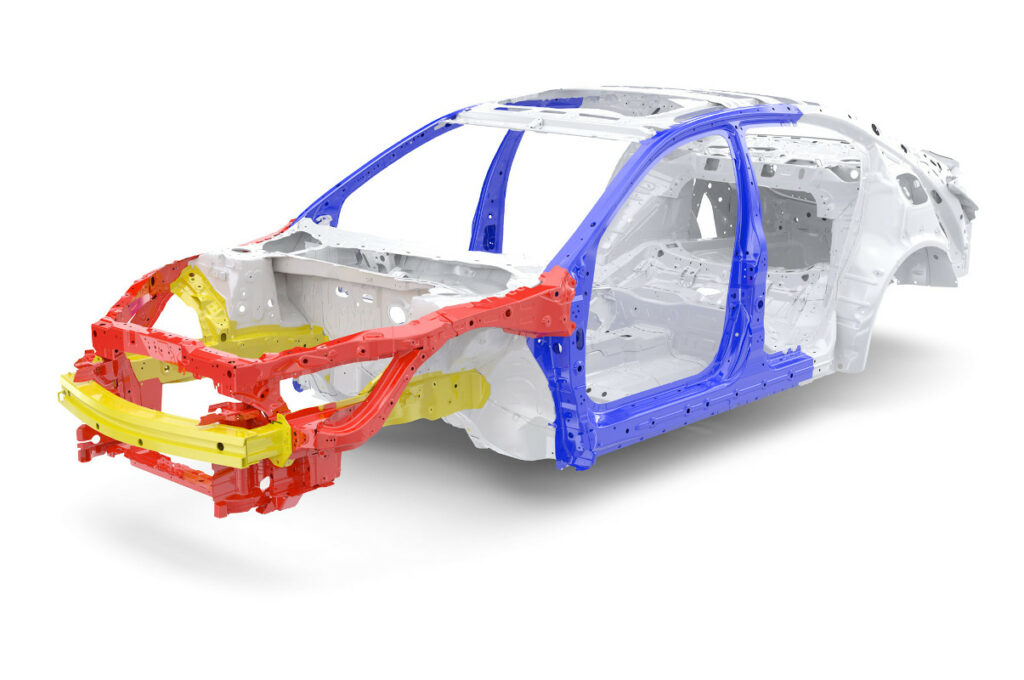
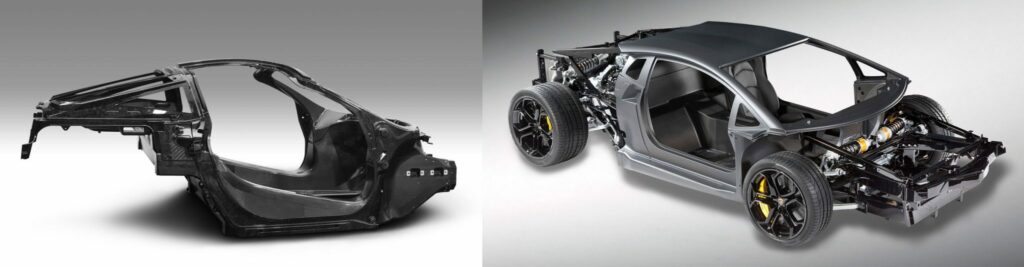
Chassis: It is the primary load-bearing structure to which all other components are attached. There are two different types of chassis:
Chassis on the frame (with the frame):
Construction monocoque (sans cadre):
Engine:
It is located at the front of the vehicle. The engine converts one form of energy into mechanical energy, which is then used to propel the vehicle. The internal combustion engine is the most commonly used engine in automobiles. These engines rely on the combustion energy of gasoline, diesel fuel, or in rare cases, another type of fuel. Electric and hybrid engines are also becoming increasingly popular. Therefore, the engine is divided into three types:
- Internal combustion engine (gasoline or diesel engines):
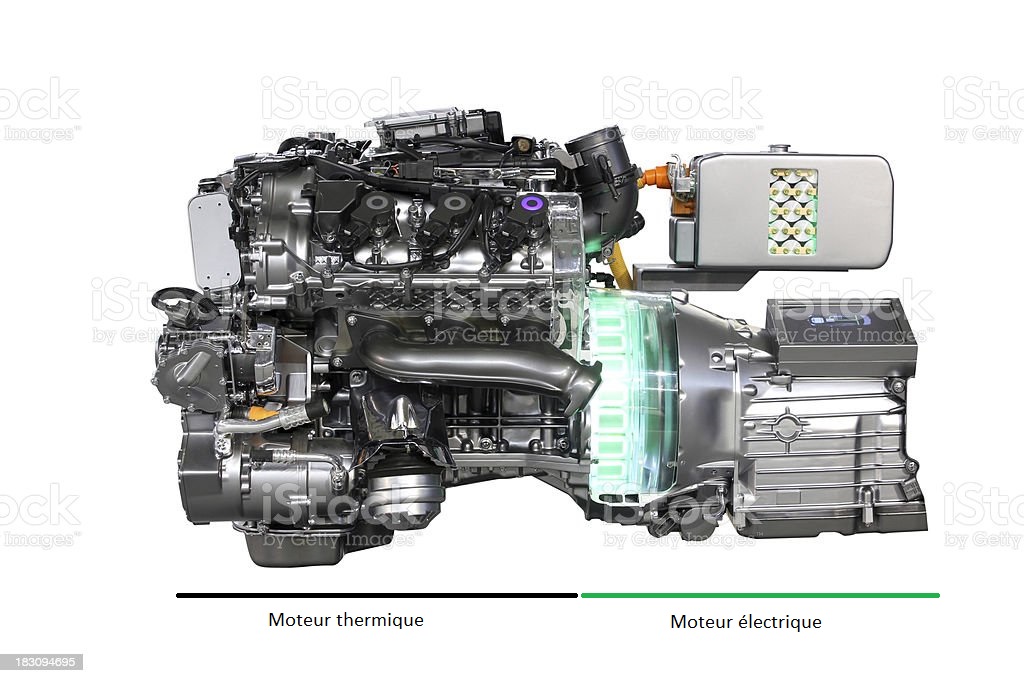
Hybrid engines:
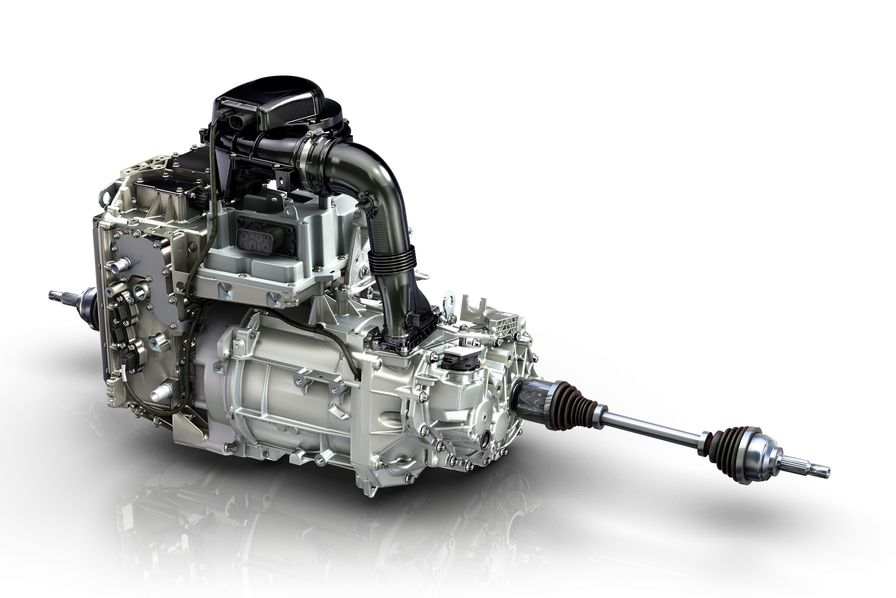
Electric motors:
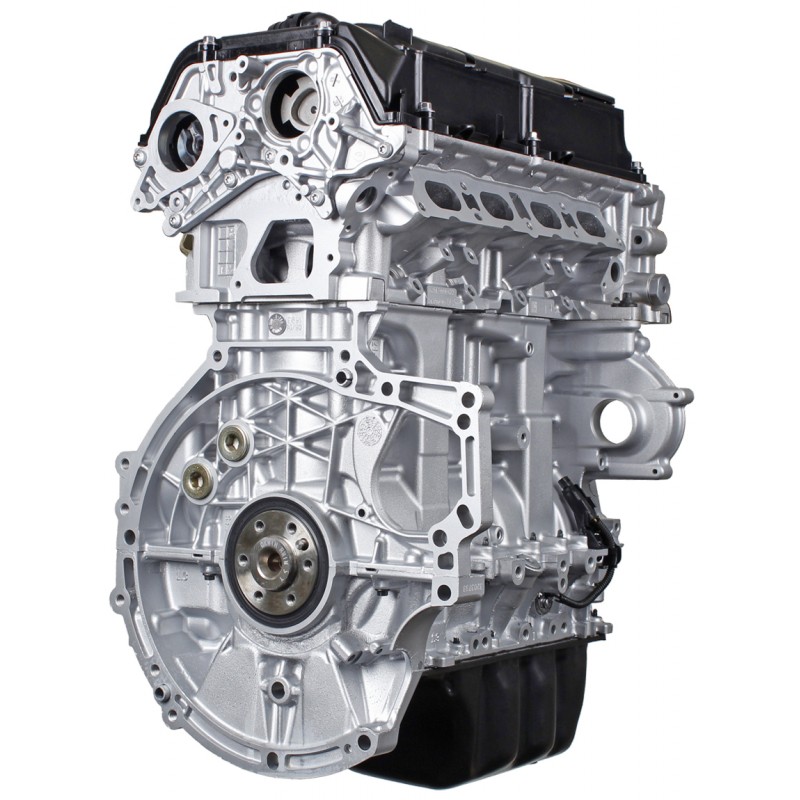
Engine components:
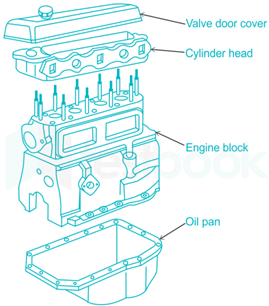
- Cylinder head
- Cylinder block
- Oil pan
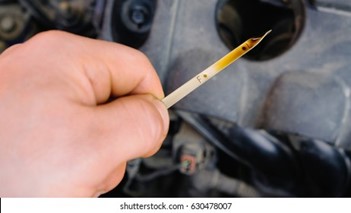
- Oil gauge
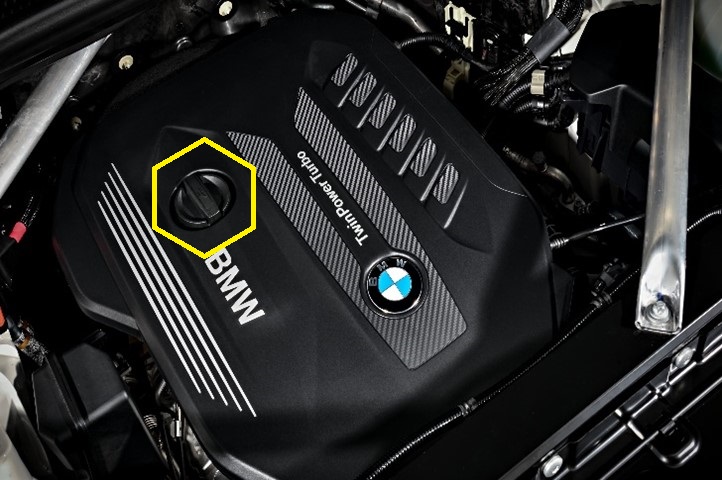
- Oil filler cap
- Piston
- Crankshaft
- Camshaft
- Valves
- Water pump (with thermostat)
- Oil filter
- Accessory belt
- Timing belt
Internal Combustion Engine:
An internal combustion engine (ICE) is a type of heat engine that burns fuel inside the engine to produce energy. This is different from external combustion engines, such as steam engines, which burn fuel outside the engine to create steam that powers the engine.
In an internal combustion engine, the fuel is mixed with air and ignited in a small enclosed space called the combustion chamber. The resulting explosion pushes a piston, which turns a crankshaft and ultimately produces a rotational motion that can be used to power a vehicle, generator, or other machinery.
There are two main types of internal combustion engines: gasoline engines, which use a spark plug to ignite a mixture of gasoline and air, and diesel engines, which use compression to ignite a mixture of diesel fuel and air. Both types of engines are widely used in cars, trucks, airplanes, and other forms of transportation.
Cylinder head:
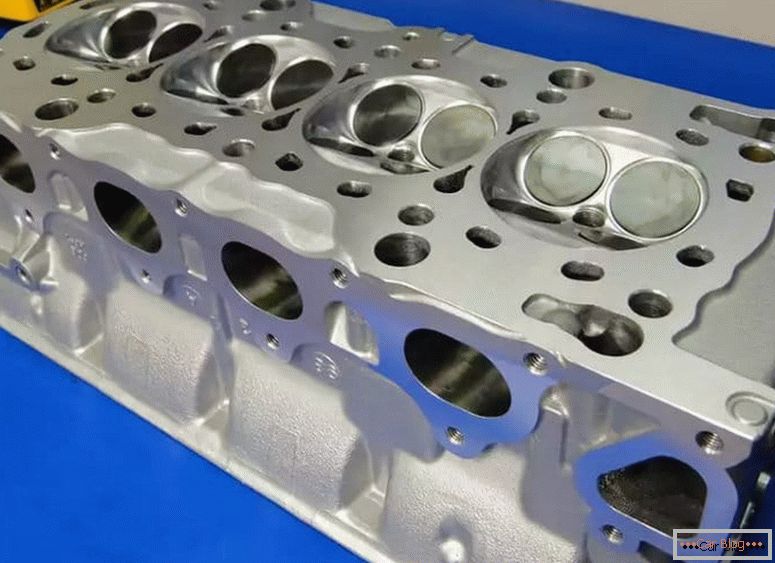
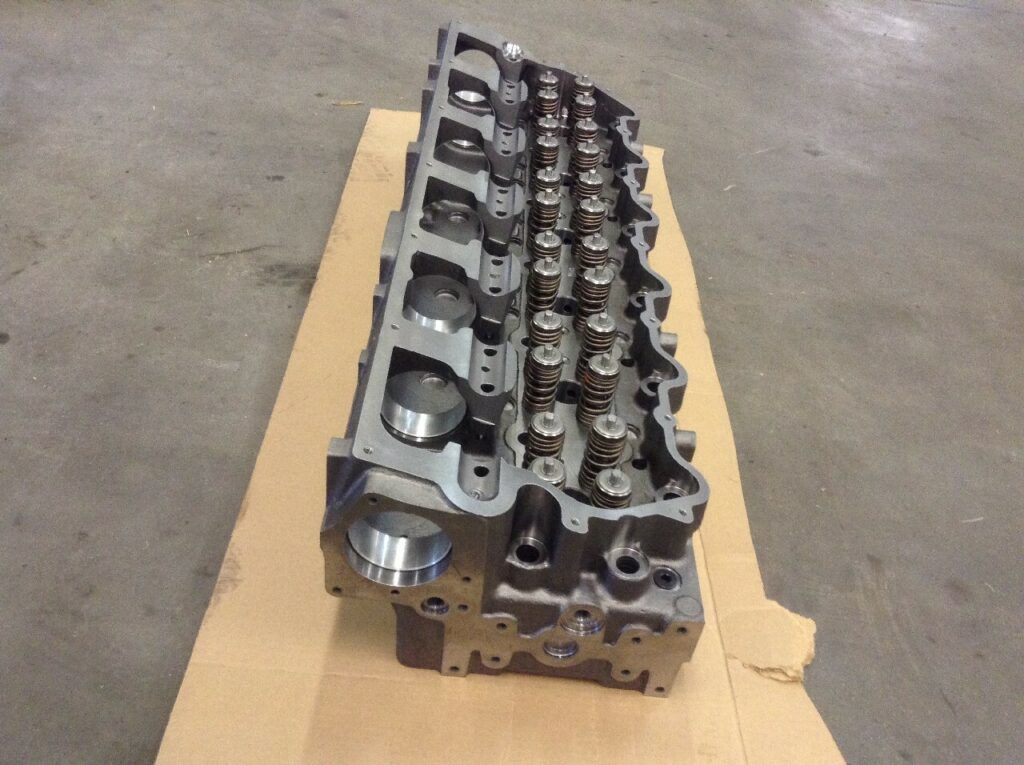
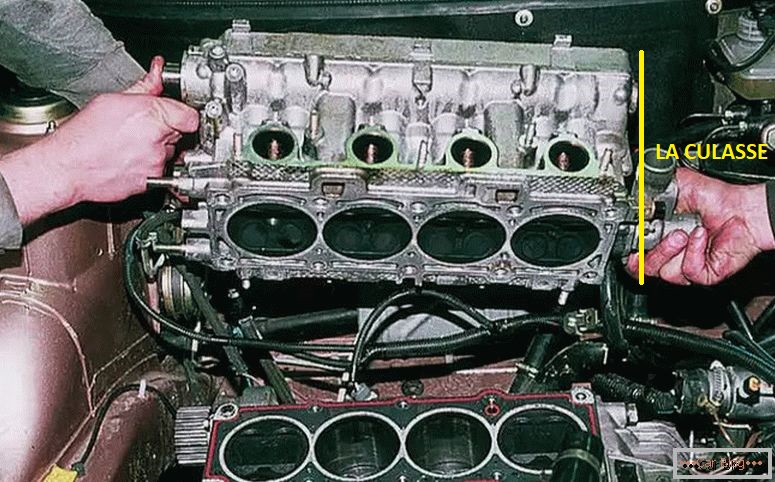
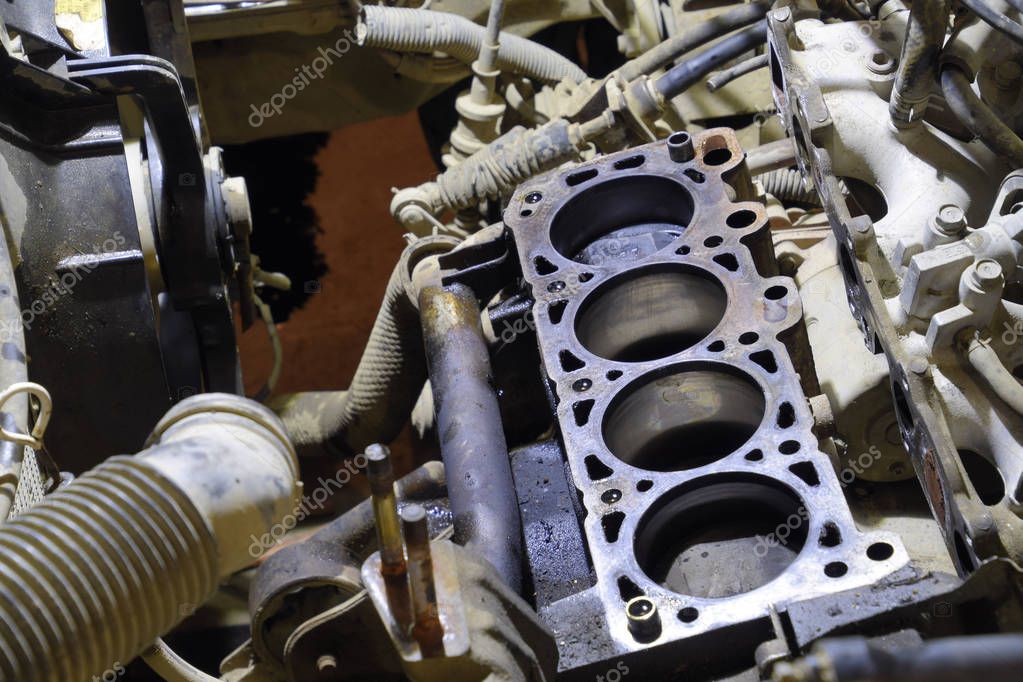
The cylinder head is a key component of an internal combustion engine, located at the top of the engine block. It forms the top of the combustion chamber and contains the intake and exhaust valves, as well as the spark plugs (in gasoline engines) or glow plugs (in diesel engines).
The cylinder head is typically made of aluminum or cast iron and is attached to the engine block using head gaskets to create a seal. It is designed to withstand the high temperatures and pressures generated during combustion and is responsible for sealing the combustion chamber and providing a passage for the intake of the air-fuel mixture and the exhaust gases from the engine.
The shape and design of the cylinder head can have a significant impact on engine performance, energy efficiency, and emissions. Cylinder heads can be modified or replaced to improve engine performance or meet specific needs, such as higher power output or better fuel economy.
The Cylinder Block:
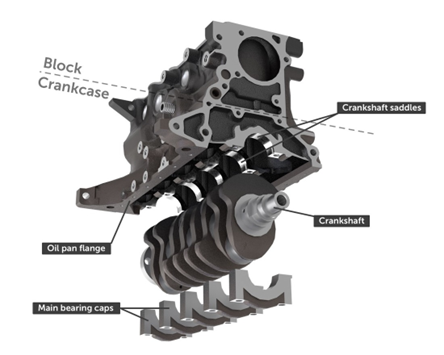
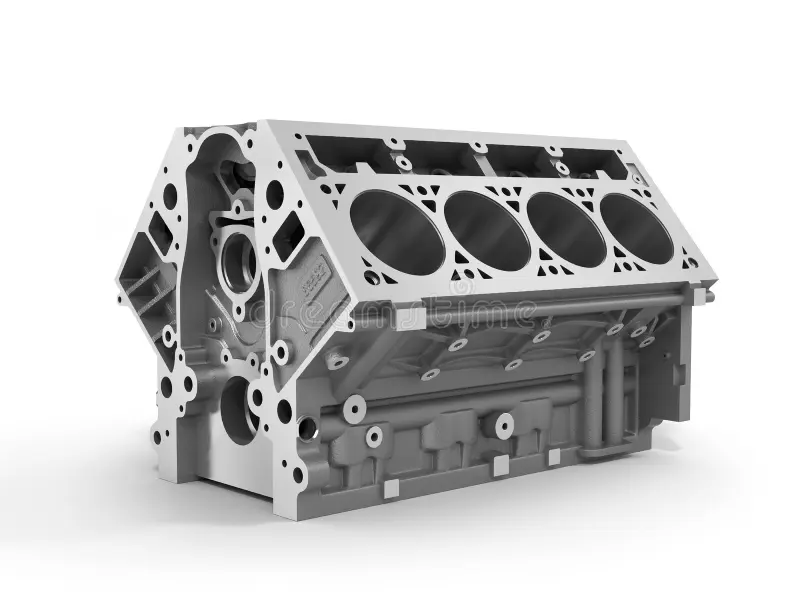
The cylinder block, also known as the engine block, is a key component of an internal combustion engine. It is typically made of cast iron or aluminum and houses the cylinders, crankshaft, and other internal engine components. The cylinders are cylindrical bores where the pistons move up and down, and they are usually arranged in a straight line or in a V formation. The crankshaft is mounted in the lower part of the cylinder block and converts the reciprocating motion of the pistons into rotational motion, which is then transmitted to the transmission and ultimately to the wheels.
The cylinder block also contains other components, such as the oil pump, coolant passages, and various sensors and actuators. In some engines, the cylinder head, which houses the valves and camshafts, is bolted onto the top of the cylinder block.
Overall, the cylinder block is one of the most important components of an internal combustion engine, as it provides the foundation for the rest of the engine and determines its overall size, weight, and performance characteristics.
Lower oil pan:
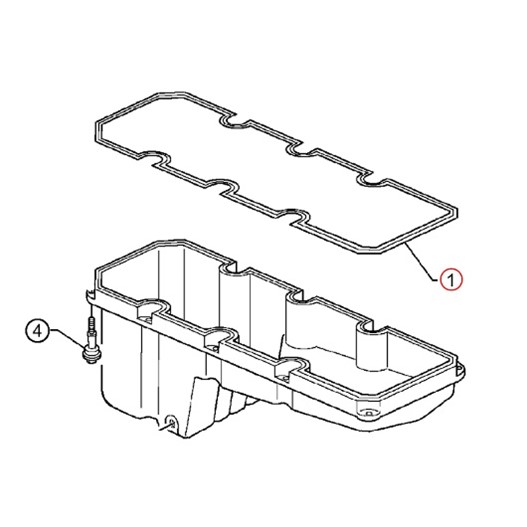
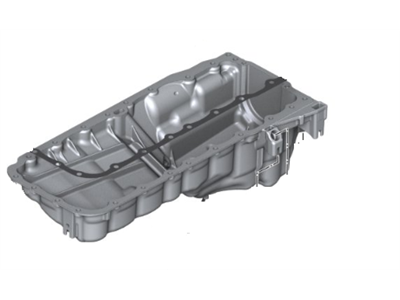
The oil pan is a metal container located at the bottom of the engine that holds the engine oil. The oil is circulated throughout the engine by a pump and serves to lubricate the moving parts of the engine, thereby reducing friction and wear. The oil pan also typically contains an oil pickup tube that draws oil from the pan and delivers it to the oil pump.
The oil pan is usually attached to the bottom of the engine block and can be removed for maintenance or repair. It’s important to maintain the oil at the proper level in the oil pan and to regularly change the oil to ensure the proper functioning and longevity of the engine.
Oil filler cap:
The oil filler cap is a component of the internal combustion engine that allows for adding oil to the engine’s oil pan. It is typically located on the top portion of the engine and is easily accessible.
Oil dipstick:
An oil dipstick in an internal combustion engine is a tool used to measure the oil level within the engine. It is typically located under the hood, near the engine, and consists of a graduated metal rod that is inserted into the engine’s oil pan.
To check the oil level, the dipstick is removed, wiped clean, and then reinserted into the oil pan. The reading on the dipstick indicates the current oil level in the engine.
Regularly checking the oil level in an internal combustion engine is important to ensure that there is enough oil to lubricate the moving parts of the engine. If the oil level is too low, it can lead to excessive wear and engine damage, while an oil level that is too high can result in increased oil pressure and oil leaks. Therefore, it’s recommended to periodically check the oil level and maintain it within the range recommended by the engine manufacturer.
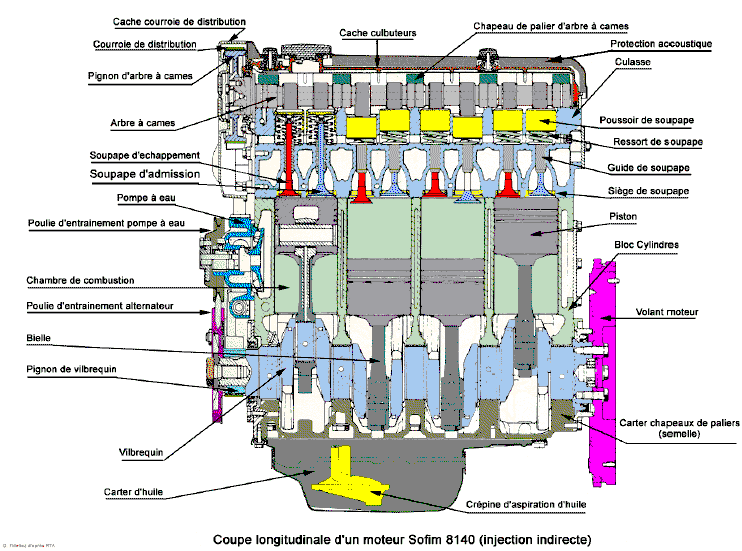
The components that are typically found in the cylinder block of an engine are as follows:
- Cylindres
- Chemises de cylindre
- Vilebrequin
- Pistons
- Segments de piston
- Bielle
- Volant moteur
- Carter moteur
- Galerie d’huile
- Pompes
Ces éléments sont essentiels pour le fonctionnement d’un moteur à combustion interne. Ils travaillent ensemble pour convertir l’énergie chimique du carburant en mouvement mécanique, propulsant ainsi le véhicule ou la machine.
0 commentaire